
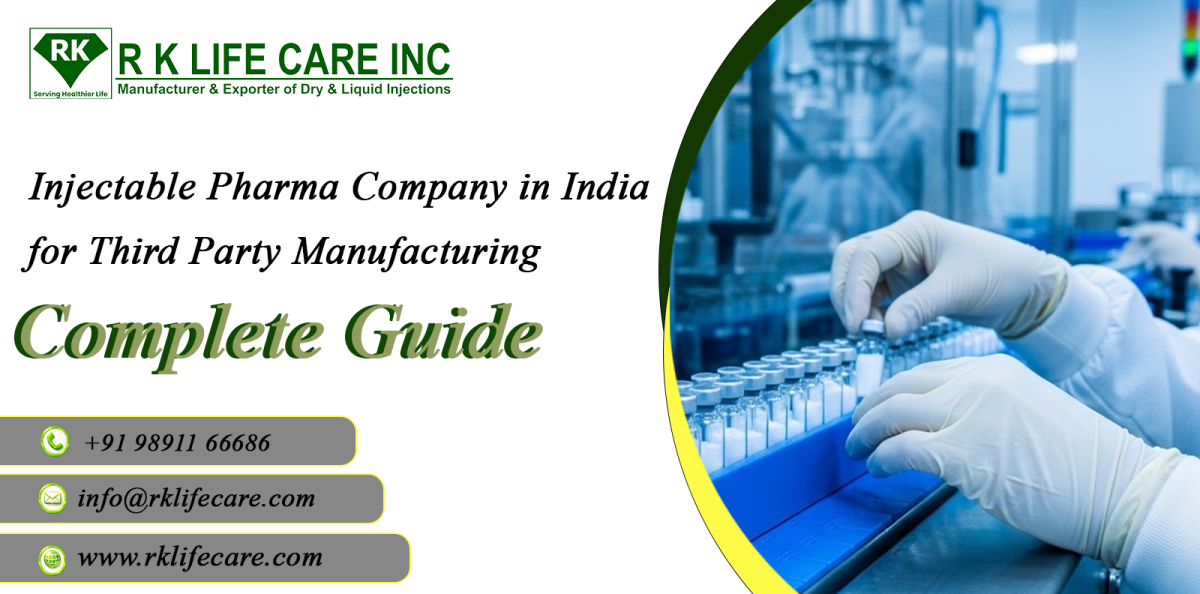
In critical care situations—whether it’s an ICU emergency, a life-saving antibiotic, or a surgical procedure—injectable medicines are often the first and fastest line of treatment. Unlike tablets or capsules, injectables work directly in the bloodstream, which makes their quality, sterility, and precision absolutely non-negotiable. Even a minor deviation in quality standards can directly impact patient safety, which is why this segment is considered highly sensitive and strictly regulated.
This is exactly why businesses looking to enter this segment prefer working with an injectable pharma company in India for third-party manufacturing. Instead of setting up a highly complex and expensive facility, companies outsource production to specialized manufacturers who already meet global standards and have experience handling such critical formulations.
If you’re planning to start or expand in this space, this guide will help you understand everything in a clear and practical way.
What is Injectable Third-Party Manufacturing?
Third-party manufacturing (also called contract manufacturing) means outsourcing the production of pharmaceutical products to an established manufacturer. This allows companies to focus on branding, marketing, and distribution while leaving the technical production work to experts.
In the injectable segment, this model is especially important because manufacturing involves:
- Sterile clean room environments
- Advanced filling and sealing machines
- Strict contamination control
- Highly trained technical staff
Setting up such a facility requires a huge investment, technical expertise, and multiple regulatory approvals. That’s why most businesses choose injectable third-party manufacturing in India as a smarter and more practical alternative to entering the market quickly.
Why India is a Hub for Injectable Pharma Manufacturing
India has become one of the leading destinations for injectable pharma manufacturers due to several strong advantages:
1. Cost-Effective Production
Manufacturing costs are significantly lower compared to Europe or the US, helping businesses maintain better profit margins while still delivering quality products.
2. Global Quality Standards
Many Indian companies follow WHO-GMP, ISO, and even US FDA standards, making their products globally acceptable and trusted.
3. Skilled Workforce
India has experienced pharmacists, microbiologists, and production experts specializing in sterile formulations and injectable drug development.
4. Strong Export Capabilities
Indian injectable products are exported worldwide, especially to Africa, Asia, and Latin America, making global expansion easier for businesses.
Types of Injectable Products You Can Manufacture
When working with an injectable pharma company in India, you can choose from a wide range of products depending on your target market and business strategy:
- Dry powder injections (commonly used antibiotics and critical care drugs)
- Liquid vials (IV medications used in hospitals)
- Ampoules
- Pre-filled syringes
- Lyophilized (freeze-dried) injections
Each type requires different manufacturing processes. For example, lyophilized injections are used for sensitive drugs that need longer shelf life and stability, especially in varying temperature conditions.
Key Factors to Consider When Choosing a Manufacturer
Selecting the right partner is the most important decision in your injectable business, as your brand reputation depends on product quality.
1. Sterility and Infrastructure
Check if the company has certified clean rooms and follows strict aseptic manufacturing processes to ensure contamination-free production.
2. Certifications
WHO-GMP is essential. Additional certifications improve credibility and open doors for international exports.
3. Quality Control Systems
Strong QC and QA systems ensure that every batch meets safety and quality standards consistently.
4. Documentation Support
Export documentation and regulatory compliance can be complex—your partner should assist with approvals and paperwork.
5. Product Range & Flexibility
A manufacturer offering multiple dosage forms gives you the flexibility to expand your portfolio in the future.
In India’s growing pharma ecosystem, companies like Rk Life Care Inc are part of this landscape, supporting businesses with manufacturing and supply solutions while operating more in the background of the export and production chain.
Step-by-Step Process of Injectable Manufacturing
To understand this industry better, here’s a simplified explanation of how injectable drugs are manufactured:
1. Raw Material Testing – Ensuring purity, quality, and compliance with pharmacopeia standards
2. Solution Preparation – Mixing ingredients in controlled environments to maintain consistency
3. Sterilization – Removing any microbial contamination through validated processes
4. Filling & Sealing – Done in aseptic conditions using automated machinery
5. Inspection & Quality Check – Each unit is visually and technically inspected
6. Packaging & Labeling – As per domestic and international regulatory requirements
This entire process requires strict monitoring at every stage, highlighting why precision and compliance are critical in injectable pharma manufacturing.
Benefits of Third-Party Manufacturing for Injectables
Choosing contract manufacturing for injectables offers multiple advantages:
- Low investment (no need for factory setup)
- Faster market entry
- Access to advanced technology
- Reduced operational risk
- Focus on branding and marketing
This model is ideal for startups, exporters, and pharma marketers who want to scale without heavy capital investment.
Challenges You Should Be Prepared For
Despite the advantages, there are some real challenges:
- Strict regulatory approvals that can take time
- High-quality expectations due to patient safety concerns
- Complex documentation requirements
- Strong competition in the pharma market
However, with the right manufacturing partner and proper planning, these challenges can be handled effectively.
Future Scope of Injectable Pharma in India
The demand for injectables is increasing rapidly due to:
- Growth in hospital treatments
- Rise in chronic diseases
- Demand for vaccines and biologics
- Expansion of global healthcare access
As healthcare systems continue to develop worldwide, injectable medicines will remain a critical part of treatment, increasing long-term demand.
Final Thoughts
Working with an injectable pharma company in India for third-party manufacturing is one of the most practical ways to enter the pharmaceutical industry without heavy investment.
The key to success lies in:
- Choosing a reliable manufacturer
- Maintaining strict quality standards
- Understanding international regulations
- Building strong distribution networks
Start with a focused approach, build trust in the market, and gradually expand your product range for long-term success.
Ready to Enter the Injectable Pharma Business?
If you’re planning to start your journey in injectable third-party manufacturing in India, now is the right time. The demand is growing, the infrastructure is strong, and the opportunities are global.
Take the first step—research your market, connect with the right manufacturing partners, and begin building your pharmaceutical brand with confidence.
Comments
No comments yet. Be the first to share your thoughts!
Leave a Comment