
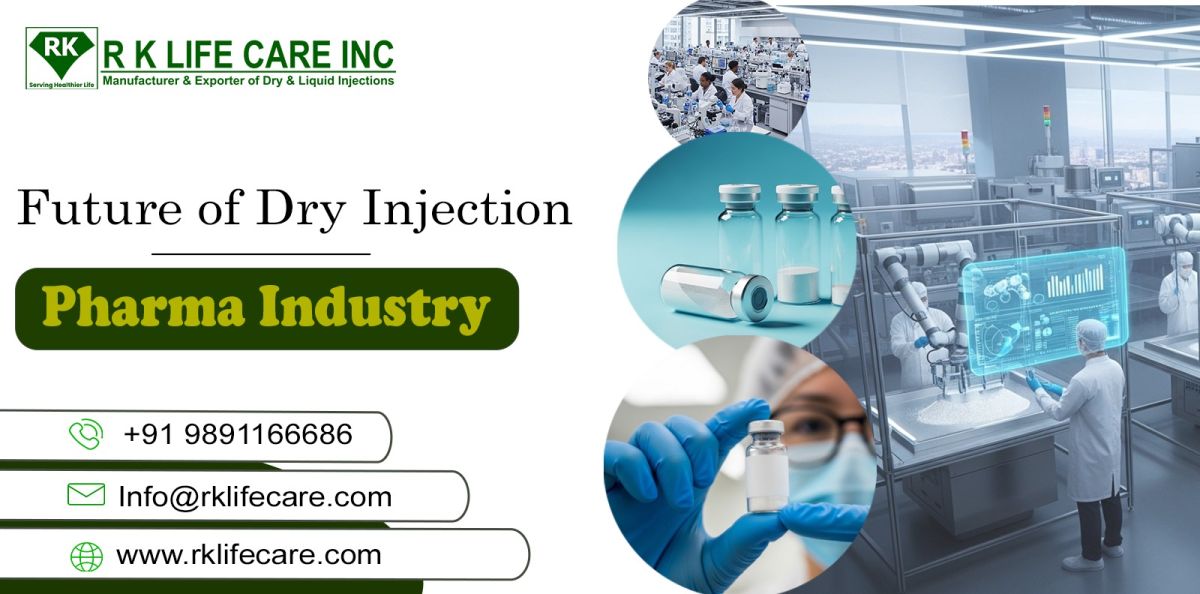
From life-saving antibiotics to advanced cancer therapies, dry injection formulations are becoming the backbone of modern medicine. As the global pharmaceutical industry shifts toward biologics and high-stability drug delivery systems, the demand for dry injections—also known as lyophilized or freeze-dried pharmaceuticals—is rapidly increasing.
The dry injection pharma industry is expected to witness strong growth over the next decade, driven by innovation, global healthcare expansion, and rising demand for stable injectable drugs.
What Are Dry Injections and Why Are They Important?
Dry injections are pharmaceutical products that are freeze-dried (lyophilized) to remove moisture, ensuring stability and extended shelf life. These drugs are reconstituted with a solvent before administration.
Why Dry Injection Formulations Matter:
- Enhanced drug stability for moisture-sensitive compounds
- Longer shelf life compared to liquid injectables
- Reduced risk of contamination
- Ideal for biologics, vaccines, and antibiotics
- Easier transportation and storage
How Lyophilization Works (Quick Insight):
Lyophilization involves freezing the drug and then removing water through sublimation under vacuum conditions. This preserves the structure and potency of sensitive pharmaceutical compounds.
Global Market Size & Growth of Dry Injection Industry
The global lyophilized injectable drugs market is witnessing significant expansion.
- Market size estimated at $3–5 billion+ globally
- Expected CAGR: 7–9% over the next decade
- Driven by increasing demand for biologics and specialty drugs
This growth highlights the rising importance of dry powder injections in modern drug delivery systems.
Key Growth Drivers of the Dry Injection Pharma Industry
1. Rapid Growth of Biologics
Biologics such as monoclonal antibodies and vaccines require stable formulations, making dry injections essential.
2. Rising Demand for Injectable Drugs
Chronic diseases like cancer, diabetes, and autoimmune disorders are increasing the need for injectable therapies.
3. Expansion in Emerging Markets
Healthcare infrastructure in Asia, Africa, and Latin America is improving, boosting demand for stable and transport-friendly medicines.
4. Cold Chain Optimization
Dry injections reduce dependency on strict cold chain logistics, making them ideal for global distribution.
Technological Advancements in Dry Injection Manufacturing
The industry is evolving rapidly with new technologies such as:
- Advanced lyophilization systems for faster processing
- Automated sterile filling technologies
- Smart packaging for drug protection
- Ready-to-use reconstitution systems
These innovations improve efficiency, reduce contamination risks, and enhance patient safety.
Key Challenges in the Dry Injection Pharma Industry
Despite strong growth, the industry faces several challenges:
- High manufacturing and setup costs
- Complex lyophilization processes
- Strict global regulatory requirements
- Need for specialized infrastructure
- Risk of improper reconstitution by end-users
Companies investing in automation and compliance systems are better positioned to overcome these challenges.
Role of Pharma Supply Chain & Industry Ecosystem
The dry injection pharma industry depends heavily on a well-coordinated ecosystem of manufacturers, suppliers, and logistics providers.
In this ecosystem, companies like Rk Life Care Inc contribute by supporting sourcing, coordination, and supply chain alignment. Such organizations help ensure efficient product movement, regulatory compliance, and consistent quality across international markets without disrupting the pharmaceutical workflow.
Emerging Trends Shaping the Future
1. Rise of Personalized Medicine
Customized treatments require stable and precise drug formulations, increasing reliance on dry injections.
2. Growth of Biosimilars
As biosimilars become more popular, demand for freeze-dried formulations will rise.
3. Sustainable Pharma Manufacturing
Companies are focusing on eco-friendly production and reducing waste in lyophilization processes.
4. Digital Supply Chain Integration
AI and automation are improving tracking, compliance, and logistics efficiency.
Future Outlook of Dry Injection Pharma Industry
The future of the dry injection pharma industry looks highly promising due to increasing demand for high-quality, stable drug formulations. With advancements in biotechnology and global healthcare expansion, dry injections will play a critical role in:
- Cancer treatment therapies
- Vaccine distribution
- Emergency and critical care medicine
- Global pharmaceutical exports
Conclusion
Dry injection pharmaceuticals are not just an alternative drug delivery system—they are becoming a core component of modern healthcare. Their ability to provide stability, efficiency, and global accessibility makes them indispensable in today’s pharmaceutical landscape.
As demand for biologics and advanced therapies continues to grow, the dry injection pharma industry is set to expand significantly. Companies that invest in technology, compliance, and supply chain efficiency will lead the future of this evolving sector.
Comments
No comments yet. Be the first to share your thoughts!
Leave a Comment