
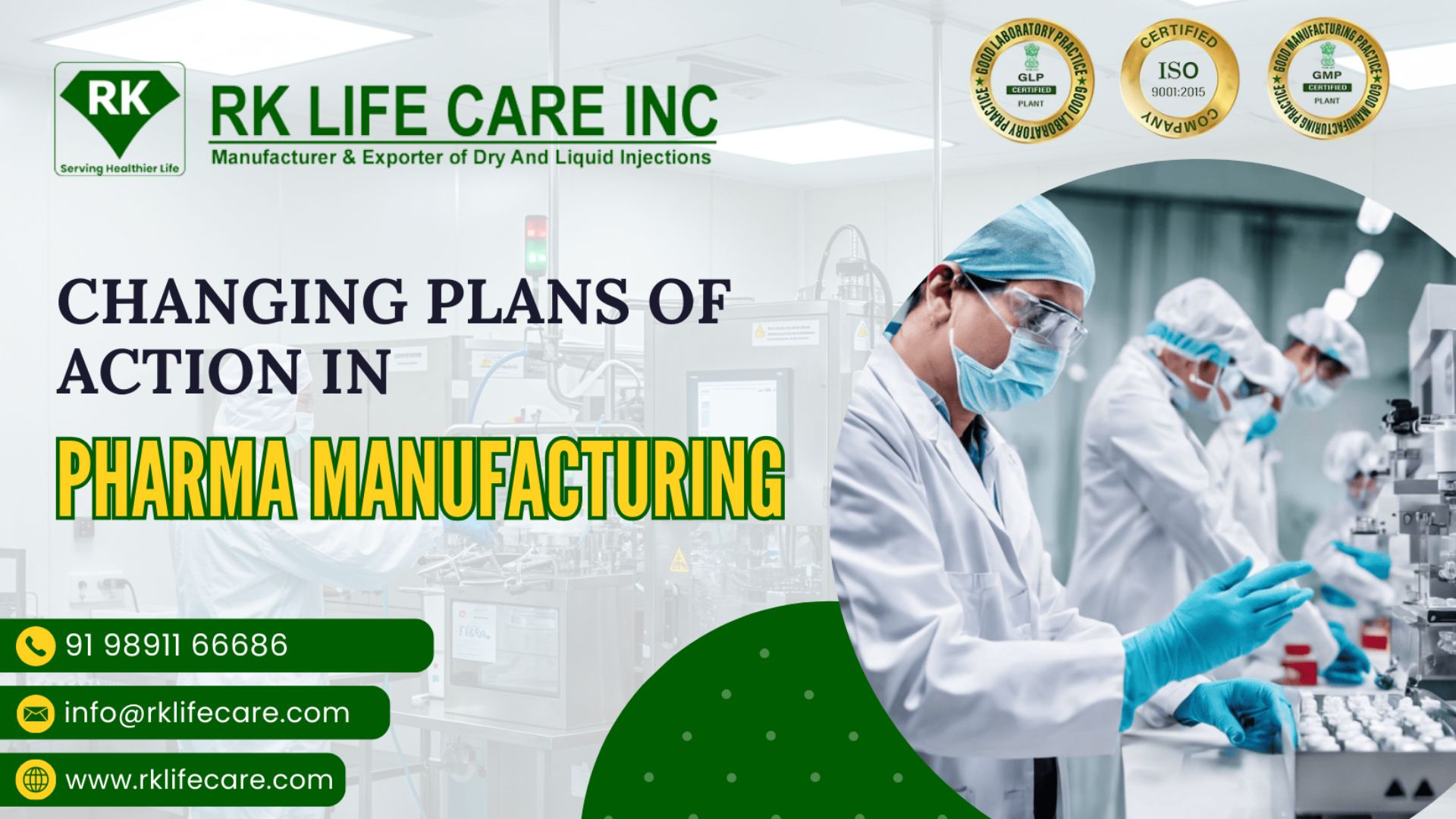
In the rapidly evolving world of pharmaceutical manufacturing, change is not the exception but a constant occurrence. From regulatory changes to supply chain disruptions and shifting market demands, pharmaceutical companies often face situations where the original action plan no longer fits the current reality.
At Rk Life Care Inc., we understand that the ability to adapt quickly and effectively is not just a competitive advantage—it's essential for ensuring patient safety, maintaining regulatory compliance, and delivering high-quality medicines.
Why Change Plans in Pharma Manufacturing
Pharma manufacturing operates under strict regulations, stringent quality standards, and complex operational workflows. Plans may need to be altered for several reasons:
1. Regulatory updates: Regulatory bodies like the FDA or EMA may issue new guidelines that require changes to manufacturing processes or documentation.
2. Supply chain disruptions: Delays or shortages in raw materials, packaging components, or active pharmaceutical ingredients (APIs) can disrupt production timelines.
3. Equipment breakdowns: Manufacturing equipment may experience unexpected breakdowns, requiring immediate process changes.
4. Market and demand changes: Sudden increases or decreases in demand, or the introduction of new competitive products, may require changes to production priorities.
5. Quality control issues: Defects discovered during in-process checks or batch testing may prompt corrective action, including changes to processes or sourcing.
Best Practices for Managing Change
While change is inevitable, how pharmaceutical companies respond can determine their operational success. Here are some strategies:
1. Robust Risk Assessment
Before implementing changes, assess the impact on product quality, patient safety, and regulatory compliance. Risk assessments provide a structured method for evaluating the consequences of any planned changes.
2. Clear Documentation
Pharma manufacturing is driven by documentation. Any changes to processes, timelines, or strategies must be carefully recorded to meet regulatory standards and ensure traceability.
3. Cross-Functional Collaboration
Changes often impact multiple departments—R&D, production, quality, and supply chain. Effective communication and collaboration ensure everyone is aligned and can easily implement new plans.
4. Flexible Manufacturing Strategy
Investing in adaptive technology and modular production lines allows manufacturers to more easily adapt to changing circumstances. Flexibility reduces downtime and speeds response times.
5. Continuous Monitoring and Feedback
After implementing changes, continuously monitor results to ensure that adjustments achieve the desired effect without introducing new risks. Feedback loops are essential for improving processes in real-time.
Embracing Change as an Opportunity
Although changing action plans in pharmaceutical manufacturing may seem daunting, it also presents opportunities. Companies that embrace agility can innovate faster, improve operational efficiency, and enhance product quality. By anticipating potential disruptions and developing flexible strategies, pharmaceutical manufacturers can turn change into a driver of growth rather than a source of stress.
Conclusion:
At Rk Life Care Inc, we believe that change is the only constant in pharmaceutical manufacturing. Through risk assessment, collaboration, documentation, and continuous improvement, we effectively address unexpected challenges and ensure patient safety, regulatory compliance, and excellence in each of our products.
Comments
No comments yet. Be the first to share your thoughts!
Leave a Comment