
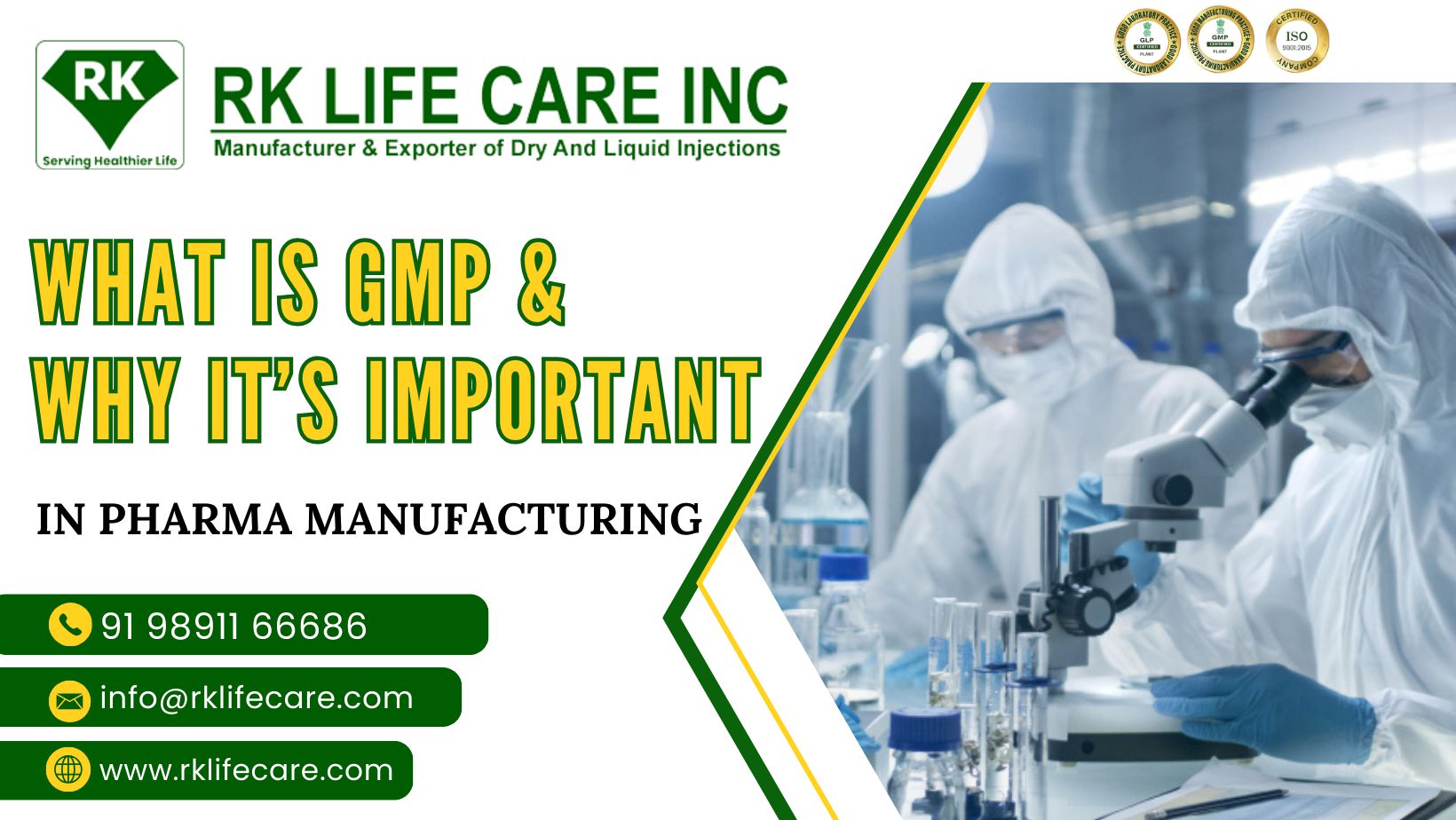
In pharmaceutical manufacturing, quality and safety are critical at every stage of production. Medicines are developed to improve health and save lives, which means even small mistakes can have serious consequences. To avoid such risks, the pharmaceutical industry follows Good Manufacturing Practices (GMP)—a structured system designed to ensure that medicines are consistently produced to the required quality standards.
Understanding GMP and its importance helps explain how pharmaceutical companies maintain reliability, safety, and compliance in a highly regulated environment.
What is GMP?
Good Manufacturing Practices (GMP) refer to a set of guidelines that govern how pharmaceutical products are manufactured, tested, stored, and distributed. These guidelines are issued by regulatory authorities such as the World Health Organization (WHO), the US FDA, and other national drug regulatory agencies.
GMP focuses on controlling the manufacturing process rather than relying only on testing the final product. This approach helps prevent problems like contamination, incorrect labeling, mix-ups, and variations in product quality.
In simple terms, GMP ensures that medicines are:
- Manufactured under hygienic and controlled conditions
- Consistent in quality from batch to batch
- Safe and effective for patient use
Core Principles of GMP
GMP covers every aspect of pharmaceutical manufacturing. Some of the most important elements include:
1. Quality Management
A well-defined quality management system ensures that all activities are planned, monitored, and reviewed. This includes written procedures, quality audits, deviation management, and corrective actions.
2. Trained Personnel
People play a key role in maintaining GMP standards. Staff must be properly trained, qualified, and aware of their responsibilities. Regular training helps ensure that procedures are followed correctly and consistently.
3. Facility and Equipment Standards
Manufacturing areas should be designed to reduce the risk of contamination and errors. Equipment must be suitable for its intended use, properly cleaned, maintained, and calibrated.
4. Documentation and Records
Accurate documentation is a fundamental GMP requirement. Manufacturing records, batch documents, and test results provide traceability and allow issues to be identified and corrected efficiently.
5. Raw Material Control
Raw materials must be sourced from approved suppliers, tested for quality, and stored under appropriate conditions to maintain their integrity.
6. Process Control
Manufacturing processes must be clearly defined and validated. This ensures that products are made consistently and meet quality specifications every time.
7. Quality Control Testing
Finished products undergo quality control testing to confirm their identity, strength, purity, and safety before they are released to the market.
Why GMP is Important in Pharma Manufacturing
Protects Patient Safety
The primary goal of GMP is to safeguard patients. Poor manufacturing practices can result in contaminated or ineffective medicines, which may cause serious health issues. GMP helps reduce these risks by enforcing strict quality controls.
Ensures Consistent Product Quality
Medicines must perform the same way every time they are used. GMP helps maintain consistency across all batches, ensuring that patients receive reliable treatment.
Meets Regulatory Requirements
Regulatory authorities require pharmaceutical manufacturers to comply with GMP standards. Regular inspections are conducted, and failure to meet GMP requirements can lead to penalties, recalls, or suspension of manufacturing operations.
Reduces Manufacturing Errors
Standardized procedures and clear documentation help minimize errors, rework, and product wastage. This improves overall efficiency and supports smoother production operations.
Supports Market Access
GMP compliance is often a requirement for supplying medicines to domestic and international markets. Many countries accept products only from GMP-compliant manufacturing facilities.
GMP in Day-to-Day Manufacturing Practices
In pharmaceutical manufacturing organizations such as Rk Life Care Inc, GMP principles guide daily operations. From handling raw materials to packaging finished products, every step follows documented procedures and quality checks.
GMP is not a one-time certification but an ongoing system that requires regular monitoring, internal audits, and continuous improvement. It promotes a culture where quality and compliance are part of routine work rather than separate activities.
Conclusion
Good Manufacturing Practices form the foundation of safe and effective pharmaceutical production. By focusing on controlled processes, employing trained personnel, maintaining proper documentation, and conducting strict quality checks, GMP helps ensure that medicines meet the required standards and protect patient health.
For pharmaceutical manufacturers, including Rk Life Care Inc, following GMP guidelines supports reliable production, regulatory compliance, and long-term sustainability in the healthcare industry. Ultimately, GMP plays a vital role in delivering quality medicines that patients and healthcare professionals can depend on.
Comments
No comments yet. Be the first to share your thoughts!
Leave a Comment